Skip to content
So, you want to know how to start vinyl DJing in 2026? Whether you are inspired by the tactile feel of spinning records, interested in the warm analog sound, or the artistry behind manual mixing that is becoming more and more popular nowadays, vinyl DJing is making a big comeback in 2026 and you’re not alone in wanting to be part of it.
If you’re ready to ditch the sync button and learn the authentic craft of DJing with vinyl, this beginner guide will walk you through how to start vinyl DJing in 2026. You learn everything you need to get started, from gear to techniques to mindset.
Why Vinyl DJing in 2026?
With CDJ’s and controllers dominating the DJ scene, vinyl might seem old-school. But that’s exactly why it’s making a huge resurgence.
Here’s why people are going back to vinyl in 2026
- Authenticity: No screens, no cheat codes. Just real mixing.
- Tactile experience: There’s nothing like touching and manipulating physical music.
- Nostalgia & aesthetic: Retro is in. Vinyl setups look and feel amazing.
- Skill building: You actually learn to mix, not just press buttons.
Many great DJ’s today actually choose to play vinyl only. Some examples are: Kirollus, Tommy Soul, Ogazon & Gene on Earth. I would advise checking them out for inspiration!
How to start your Vinyl DJing journey
To figure out how to start vinyl DJing in 2026, it’s critical to have a setup that is reliable, intuitive, and not too expensive. Even though a setup does not need to cost thousands of dollars, it is also not the cheapest. Therefore, I believe it is better to figure out whether you are passionate about this hobby by trying out with less expensive gear and upgrading later as you go!
Let’s break down each core component you need and why each one matters.
1. Turntables (You Need 2)
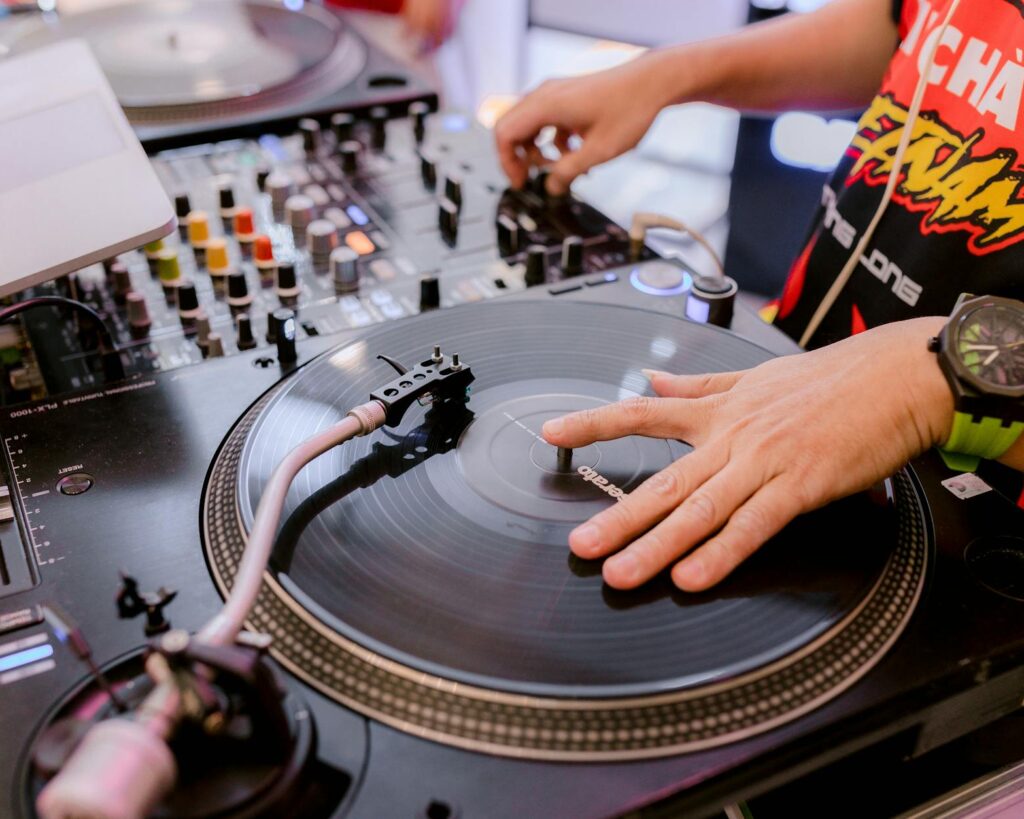
Turntables are the heart of your setup. You need direct-drive turntables, meaning the motor spins the platter directly. This is critical for faster start-up speeds and tighter control.
Why Direct-Drive?
- More torque: Keeps the platter spinning at a consistent speed (important for beatmatching).
- Quicker start/stop: Crucial for cueing and scratching.
- Long-term reliability: Belt drives wear out and are less suited to DJing.
Recommended Models for Beginners in 2026:
| Turntable | Why It’s Great |
|---|---|
| Audio-Technica AT-LP120XUSB | Affordable, reasonable torque, great sound quality. Excellent entry-level pro gear. |
| Pioneer PLX-500 | Designed for DJs, built-in USB for digitizing vinyl, accessible price point. |
| Reloop RP-4000 MK2 | Strong torque and reliable. Should last very long. |
Learn more about the Best turntables for learning vinyl DJing.
2. DJ Mixer (2-Channel Minimum)
Your mixer is what connects the two turntables and allows you to blend tracks. A basic 2-channel mixer is all you need to start, but there are a few essential features you’ll want.
Key Features to Look For:
- 3-Band EQ (High, Mid, Low): Lets you control the frequencies and blend tracks smoothly.
- Cue/Monitor Controls: Allows you to listen to the incoming track in your headphones before playing it live.
- Crossfader: A must-have for transitioning between decks. You can decide to go for a rotary mixer as well, but if you are starting out, I would recommend buying a mixer with a crossfader.
Beginner-Friendly Mixers:
| Mixer | Why It’s a Good Pick |
|---|---|
| Pioneer DJM-250MK2 | Club-style layout, great build, built-in audio interface for recording. |
| Numark M6 USB | Budget-friendly, 4 channels if you want future flexibility. |
| Allen & Heath Xone:23 | High-quality sound, excellent filters, and a smooth analog feel. Perfect if you’re more serious about tone. |
Don’t overspend at first. It’s better to start simple and upgrade later.
3. Vinyl Records (Start Small but Smart)
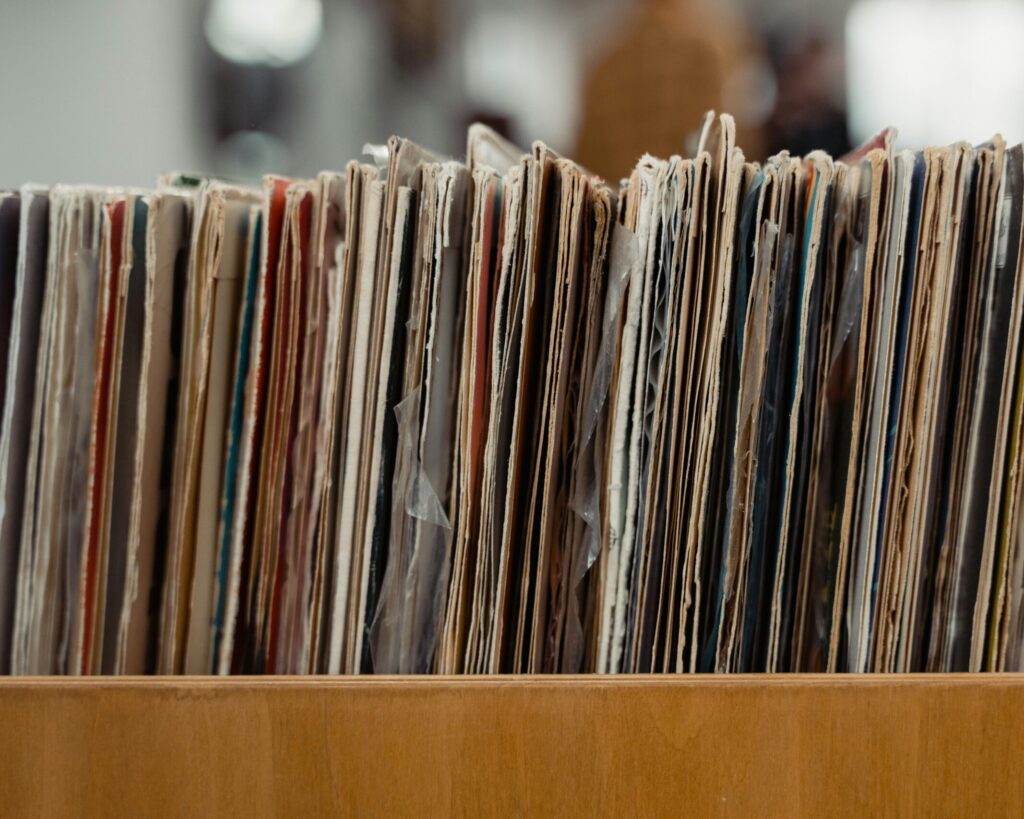
This is your music library. You’ll want 12” singles or extended mixes; these have longer intros and outros, making them easier to mix.
What to Look For:
- Steady BPM: It is best to start practicing with constant & predictable music like House. Mixing disco or funk is a lot more difficult as BPM varies (most music is recorded with live instruments) and songs have a more complex structure.
- Minimal vocals: Helps keep mixes clean while learning. Focus should really be on beat-matching first and not timing song,s which is what you need to do when there are vocals in the song.
- Instrumentals or dub versions: Ideal for layering or transitions.
Tip:
Buy 8–10 practice records to loop over and over. Knowing your records deeply is better than having too many to keep track of.
Learn more about where to find your desired records, both online and offline.
4. Cartridges & Needles (Stylus)
These are the parts that physically touch the record and convert grooves into audio. Most cartridges need a headshell (the holder), but every cartridge needs a stylus (the needle).
What to Consider:
- Headshell or Concorde style: which one depends on the desired quality and playing style.
- Elliptical or Spherical: which one depends on your djing style and what genre you play.
Need more help in figuring out what cartridge you need and whether you need elliptical or spherical needles? Check out this article!
Good Options in 2026:
| Cartridge | Why It Works |
|---|---|
| Ortofon Concorde MkII Mix | Designed specifically for DJs. Plug-and-play, solid tracking, built to last. |
| Ortofon 2M Blue | Great value, fantastic sound, ideal for purists. |
5. DJ Headphones
You’ll use headphones to cue tracks and match beats. Get closed-back, over-ear headphones that isolate well so you can focus, even in noisy environments.
Features to Look For:
- Swiveling ear cups (for one-ear monitoring)
- Clear mids and lows
- Comfortable padding for long sessions
Great Picks:
- Pioneer HDJ-CUE1
- Audio-Technica ATH-M50x
- Sennheiser HD 25 (industry classic)
Learn more about which headphones fit your style best.
6. Speakers / Monitors (Optional but Helpful)
If you want to hear your mixes outside your headphones, you’ll of course need some sort of speaker setup.
Starter Studio Monitors:
- KRK Rokit 5
- Yamaha HS5
- PreSonus Eris E3.5 (budget)
7. Accessories You’ll Also Need
| Item | Why You Need It |
|---|---|
| Slipmats | Essential for back-cueing and therefore vinyl DJing as a whole. |
| RCA Cables | Connect your turntables and mixer. Make sure you have the right length. |
| Ground Wires | Some turntables need to be grounded to avoid buzzing. Must come with the turntable. |
| Record Brush | Keep your vinyl clean for best sound and needle longevity. |
Should You Buy Used Gear?
Absolutely! As long as:
- It’s tested and in good condition
- Turntables have no pitch drift and stable platters
- Mixers have no crackling or dead faders
Where to Shop:
- Facebook Marketplace
- Reverb.com
- Local record shops or DJ gear stores
- Craigslist (with caution)
Basic Techniques
1. Beatmatching by Ear
No BPM counters here! You’ll need to learn how to:
- Match the tempo of two songs manually
- Adjust pitch using the turntable’s pitch fader
- Nudge records forward or back to stay in sync
Learn more with this full guide on how to beatchmatch with vinyl.
2. Cueing
Learn to:
- Listen to one track in headphones while another plays live
- Set up cue points for smooth transitions
3. EQing
Using the mixer’s EQ to blend frequencies:
- Lower bass on the incoming track to prevent clashes
- Slowly introduce highs or mids to build the transition
4. Timing
Train your ear to know when to bring in a new track. Ideally, at a natural break or phrase.
Mindset for Vinyl DJing
Be patient.
You will mess up. A lot. But every bad mix brings you one step closer to a clean one.
Build slowly.
Start with just two records and a goal: beatmatch them. Then add transitions. Then set building.
Go deep, not wide.
Instead of buying 100 records, master 10. Learn the structure, where the kicks are, and how they flow.
Make it fun.
Record your sessions. Share progress online. Join local vinyl or DJ forums. Enjoy the process.
How Much Does It Cost to Start?
| Item | Average Cost (USD) |
|---|---|
| 2x Turntables | $600–$1,200 |
| 2-Channel Mixer | $150–$400 |
| Needles/Cartridges | $100–$200 |
| Headphones | $50–$150 |
| Records (10–20) | $100–$300 |
| Cables/Accessories | $50 |
| Total | $1,000–$2,000 |
You can absolutely start cheaper by going secondhand. Just be careful with the condition.