Skip to content
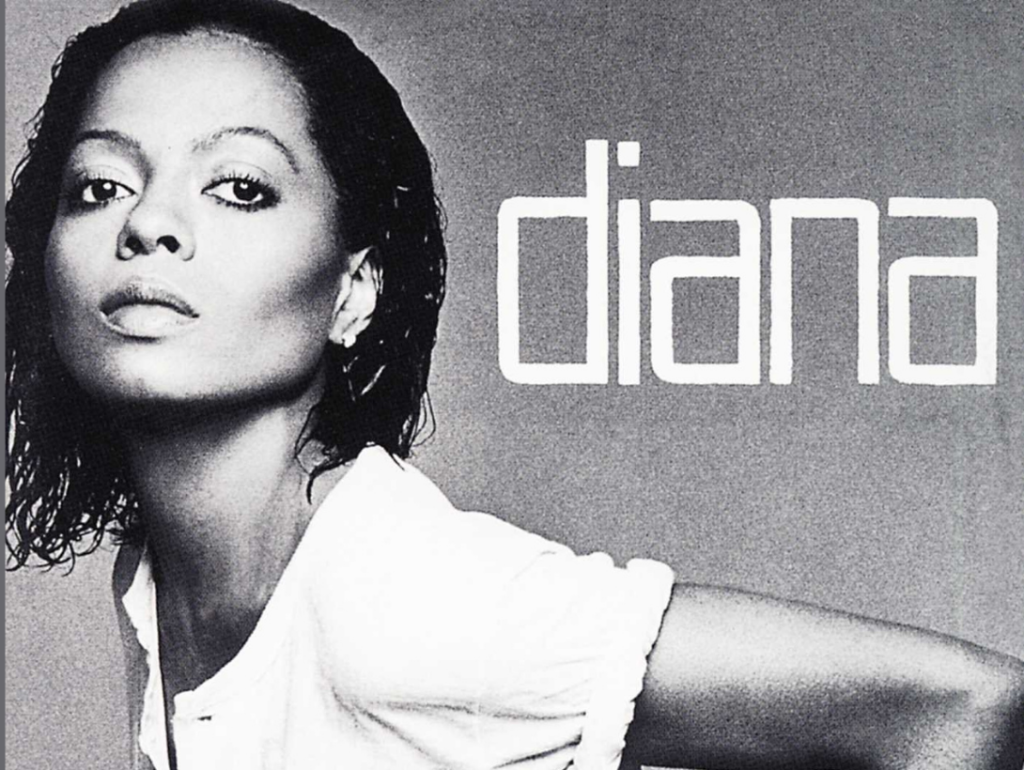
Released in 1980, Diana became one of the most successful albums of Diana Ross’s entire career and one of the defining albums at the tail of the disco era.
It features global hits like “Upside Down” and “I’m Coming Out”, songs that still shape dance culture today. The album sold millions, reached No. 1 on the US charts, and remains one of the most sampled and celebrated disco albums ever made.
But behind the glossy production and joyful energy was a chaotic, dramatic story involving misunderstandings, rewrites, and one of the strangest producer-artist relationships in disco history.
This is the story behind Diana Ross’ legendary album Diana.
The Story Behind the Album: When Chic Got Tricked Into Producing Diana Ross
To understand Diana, you need to know how Nile Rodgers and Bernard Edwards, the masterminds behind Chic, ended up producing the record.
Diana Ross wanted to reinvent herself as disco was evolving. She approached Nile Rodgers after hearing him in the legendary Studio 54 in New York, telling him she was a huge fan and wanted him to produce her next album. Nile thought she was just being polite. He didn’t take it very seriously.
A few months later, Chic received a message that Diana Ross booked studio time and expected them to show up! That was the first surprise.
Nile and Bernard wrote and produced the entire album in their signature Chic style: rhythmic, raw, funky, and experimental. The original version was darker and more club-focused than the one we know today. They believed they were helping Diana Ross step boldly into a new sound. But someone at the record company made the bold statement that releasing the album in this state would lead to the end of her career.
When Ross heard the initial mixes, she panicked. The music was too “heavy,” too “Chic,” and not enough “Diana Ross”. Motown agreed, and without Chic’s approval, they remixed the entire album! They softened the sound and made it more radio-friendly.
Nile Rodgers was furious.
Bernard Edwards was furious.
They even tried to get their names from the album.
Motown refused, and they released the remixed version of the album.
Ironically, the remixed version went on to become one of the biggest albums of Diana Ross’s career. And Nile Rodgers later said that Diana was the album that changed his life financially, even though he initially felt betrayed by the final product. Later on, they restored the relationship and became really good friends. Even the original Chic versions were officially released later on.

Inside the Album: “Upside Down,” “I’m Coming Out,” and a New Diana Ross
Even though Nile Rodgers was unhappy with Motown’s remixes, Diana became one of Ross’s biggest successes, largely due to “Upside Down” and “I’m Coming Out.”
“Upside Down” blends Chic’s tight, funky groove with a brighter, more vocal-forward mix that Ross insisted on. It became a worldwide No. 1 hit. Nile Rodgers later reported that the majority of the songs in the album were written based on actual conversations with Diana. The story behind Upside Down is that Diana had told Rodgers and Edwards that she wanted to turn her career “upside down”. This song definitely made that happen!
“I’m Coming Out” was inspired by Nile seeing drag queens dressed as Diana Ross in Studio 54. He wrote the song as a celebration of identity and confidence, a message Ross didn’t fully understand at the time, but one that became one of her defining anthems. Currently, it serves as the anthem for the LGBT community.
Diana Ross: The Icon Behind the Album
Diana Ross is a true icon of the Disco era. Rising to fame with The Supremes in the 1960s, she became one of the most recognizable voices in pop and soul. Her solo career expanded into film, TV, and eventually disco.
By the late ’70s, Ross wanted to adapt to the evolving dance landscape. She had already embraced disco with “Love Hangover” and “The Boss,” but Diana was her chance to update her sound for a new generation as Disco was evolving at the time.
Working with Chic, the architects behind “Le Freak,” “Good Times,” and “Everybody Dance”, placed her directly inside the most influential disco production circle of the era. Ross’s voice brought elegance and accessibility. Chic’s musicianship brought groove and sophistication.
Nearly 45 years later, the album still sounds fresh and modern, proving the sheer quality of the production.
Final Thoughts
Diana is one of those albums where the story is just as fascinating as the music. It’s dramatic, humorous, and full of creative conflict. Diana Ross wished for a reinvention, and she got one. Chic wanted artistic respect, and they earned it.
And the world got songs that still light up the world today!